October 11, 2026
Why Pet Owners Are Turning to Organic Pet Supplements for Natural Wellness
By @getorganicpetsupplementsspark
A Shift in How We Care for Our Pets
Walking my dog through the park last fall, I got to talking with a neighbor whose older Labrador had just started a new regimen of calming chews. She mentioned how much calmer the dog seemed during thunderstorms, and how she had switched to organic pet supplements after reading about the ingredients in conventional brands. That conversation stuck with me, because it reflected a broader change I have seen among pet owners who are more thoughtful about what goes into their animals’ bodies. People are starting to treat their pets’ health with the same scrutiny they apply to their own diets, and that trend is driving real interest in products like CBD treats for dogs and hemp-derived nutraceuticals.
The market for pet nutraceuticals has grown quickly, and it is easy to see why. Many of us have experienced the frustration of trying a supplement that promises results but delivers little more than artificial flavors and fillers. In response, companies are now formulating products that rely on whole-food ingredients and plant-based compounds. When you look closely at what makes a supplement organic, you find a commitment to avoiding synthetic pesticides, hormones, and genetically modified organisms. For a pet that may be sensitive to chemical additives, that difference can matter a great deal.
What Organic Pet Supplements Actually Mean
Organic certification is not just a label on a bag of treats. It involves third-party verification that the ingredients were grown and processed according to strict standards. For a product like hemp seed oil or full spectrum CBD, organic certification means the hemp was cultivated without synthetic fertilizers or chemical sprays. That matters because hemp is a bioaccumulator, meaning it pulls compounds from the soil. If the soil contains heavy metals or pesticide residue, those substances can end up in the oil or extract. When a company like Kush Station carries organic pet supplements, they are making a statement about quality control from the ground up.
But organic does not automatically mean effective. A supplement can be organic yet still lack the proper dosage of active ingredients. The value comes from combining organic sourcing with sound formulation. For instance, a joint supplement for an older dog might contain glucosamine and chondroitin, both of which are well-studied for joint health. If those compounds are derived from organic sources, the pet avoids the potential residues found in conventionally sourced shellfish or animal byproducts. The same logic applies to fish oil. Wild-caught fish oil can carry high levels of omega-3 fatty acids, but if the fish are harvested from polluted waters, the oil may contain toxins. An organic fish oil product typically comes from fish that are tested for contaminants, offering a cleaner source of essential fats.
Ingredients That Make a Difference
When I talk with other pet owners about what they look for in a supplement, the conversation often turns to specific ingredients. Turmeric is one that keeps coming up. This bright yellow root has been used for centuries in human medicine for its anti-inflammatory properties, and it works similarly in dogs. It can be especially helpful for senior dog health, where chronic inflammation contributes to stiffness and discomfort. Adaptogens like ashwagandha and reishi mushroom are also appearing in calming chews and general wellness blends. These compounds help the body handle stress, which is useful for dogs that struggle with separation anxiety or noise phobias.
Probiotics are another category that has moved from human health into pet care. A balanced gut microbiome supports digestion and immune function, and many dogs benefit from a daily dose of beneficial bacteria. When combined with organic pet supplements that include prebiotic fibers, the effect can be more pronounced. I have seen dogs with chronic digestive issues improve noticeably after a few weeks on a probiotic regimen. The key is consistency and choosing a product with viable strains that survive the manufacturing process.
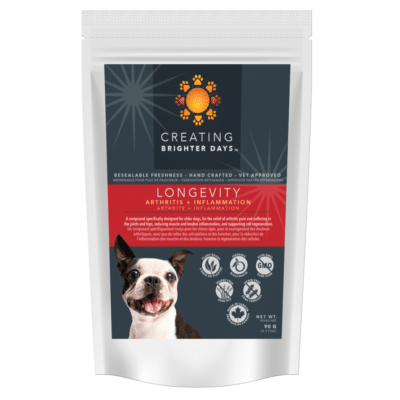
Green-lipped mussel is a less common but powerful ingredient for joint support. Native to New Zealand, this shellfish contains unique omega-3 fatty acids that differ from those in fish oil. Studies suggest it can reduce joint inflammation and improve mobility in dogs with arthritis. It pairs well with glucosamine and chondroitin, and many joint supplements now include all three. For a senior dog that hesitates to jump onto the couch or struggles with stairs, a combination of these compounds can make a real difference in daily comfort.
CBD and Hemp in Pet Wellness
CBD has become a major component of the pet supplement market, and it deserves a closer look. Cannabidiol, derived from cannabis sativa, is non-psychoactive and interacts with the endocannabinoid system in mammals. That system helps regulate pain, mood, and inflammation. For dogs, full spectrum CBD can support calmness, ease joint discomfort, and reduce anxiety. The key is using a product that is specifically formulated for pets, with dosages that match their body weight and metabolism.
Hemp seed oil is another hemp-derived ingredient that offers nutritional benefits. It is rich in omega-3 and omega-6 fatty acids, which support skin and coat health. Unlike CBD, hemp seed oil does not contain significant amounts of cannabinoids, so it is purely a nutritional supplement. Some organic pet supplements combine hemp seed oil with other oils like fish oil to create a balanced fatty acid profile. That approach can be especially useful for dogs with dry skin or dull coats.
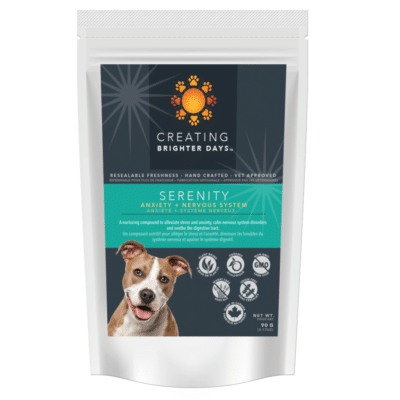
Kush Station carries a range of these products, and their selection reflects the growing demand for natural options. When I browse their catalog, I see items that list the source of their hemp and the extraction method used. That transparency is rare in the supplement world, and it helps owners make informed choices. For anyone new to CBD treats for dogs, starting with a low dose and observing the dog’s response over a week or two is a smart approach. Some dogs are more sensitive than others, and the goal is to find the minimal effective dose rather than overloading the system.
Practical Considerations for Choosing Supplements
Not every supplement lives up to its label. The pet supplement industry is less regulated than human pharmaceuticals, so quality varies widely. I recommend looking for products that have been third-party tested for potency and purity. An organic certification adds another layer of trust, but it does not replace the need for batch testing. When evaluating a product, check for the following:
- Clear ingredient list with common names and botanical sources
- Third-party lab results available on the company’s website
- Dosage instructions based on weight, not just age
- Absence of artificial preservatives or synthetic colors
- Positive reviews from other pet owners with similar needs
Another factor is the form of the supplement. Calming chews are convenient and often palatable, but they may contain sugars or binders that some dogs do not tolerate well. Oils and powders can be mixed into food, which gives more control over the dose. For a dog that is picky about treats, a liquid form might work better. A friend of mine uses a fish oil and hemp seed oil blend for her golden retriever, and she simply pours it over the dog’s kibble. The dog licks the bowl clean, and she knows exactly how much oil he is getting.
The Role of Mushroom Supplements
Mushroom supplements are another area of growth in pet health. Medicinal mushrooms like reishi, lion’s mane, and turkey tail offer compounds that support immune function, cognitive health, and stress resilience. They are often classified as adaptogens, meaning they help the body adapt to physical and emotional stress. When I first tried mushroom supplements for my own dog, I was skeptical. But after a few weeks, I noticed that his energy levels were steadier and his seasonal allergies seemed less intense. The effects were subtle but real.
As with any supplement, it is important to choose products that use the fruiting body of the mushroom rather than just mycelium grown on grain. The fruiting body contains higher concentrations of the active compounds. Organic pet supplements that use mushroom extracts should specify the part of the mushroom used and the extraction method. Water-based extracts are common, but alcohol-based extracts may be more potent for certain compounds. Reading the label carefully helps avoid products that are heavy on filler and light on active ingredients.

Final Thoughts on Integrating Supplements
Adding supplements to a pet’s diet does not have to be complicated. Start with one product that addresses a specific concern, such as joint stiffness or anxiety, and observe the dog’s response over a month. If the results are positive, consider adding a second product, like probiotics for digestive support or fish oil for coat health. The goal is to build a regimen that works for the individual animal, not to load up on every supplement available.
I have learned through trial and error that quality matters more than quantity. A single well-formulated organic supplement can outperform a handful of cheap products. The rise of organic pet supplements reflects a deeper understanding that pets are family members, and their health deserves the same care we give ourselves. Whether you are looking at CBD treats for dogs, turmeric chews, or a joint supplement with green-lipped mussel, the choice comes down to trust in the source and the science behind the formulation.
❧